The 'First-Time Visitor' Gap
Every Sunday, hundreds of churches open their doors with anticipation, praying for the Holy Spirit to bring new souls through the lobby. Yet, for many congregations, that initial greeting at the door is where the relationship hits a brick wall. The Sunday service ends, the visitor walks out, and silence follows. This isn't necessarily a failure of hospitality; it is a failure of systems. As we discussed in our recent training, most churches do not have a visitor problem—they have a follow-up problem.
Moving Beyond the 'Manual' Mindset
For decades, church follow-up has relied on a handful of well-meaning volunteers or staff members manually typing out emails or hoping to remember to call a visitor by Wednesday. The problem with this approach is human fallibility. Life gets busy, staff turns over, and lists get lost. By relying on manual processes, you are essentially leaving the discipleship of your new guests to chance.
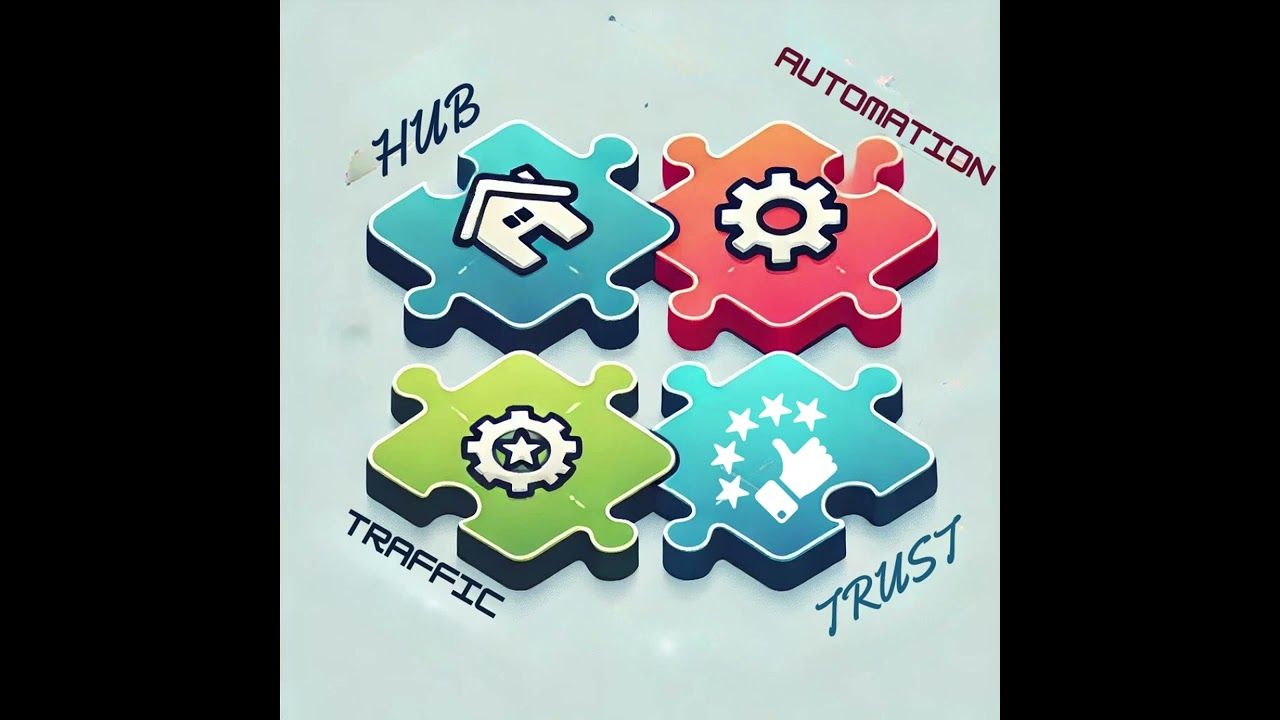
Embracing the HATT Method for Automation
Automation is not about making your church feel robotic or impersonal; it is about ensuring that no one falls through the cracks. The HATT Method identifies automation as a pillar of growth because it provides consistency. When you automate your initial touchpoints—such as a welcome email sent immediately after a digital connection card is submitted or a SMS text sent 48 hours later—you guarantee that every single visitor receives the same level of care and attention. This frees up your ministry staff to focus on the high-touch, relational work that technology cannot replace.
Designing Your Automated Guest Pathway
If you want to move your guest follow-up to 'autopilot,' you must design a journey that feels intentional rather than invasive. A successful automated pathway generally consists of three phases:
- The Instant Response: A warm, mobile-friendly welcome sent immediately after attendance registration. This should thank them for coming and provide an easy way to get connected to a small group or ministry.
- The Mid-Week Check-in: A personal-sounding message sent on Tuesday or Wednesday. This shouldn't be a sales pitch for a program, but rather an invitation to share feedback or ask questions.
- The Next Steps Invitation: A message sent by the end of the week focusing on how the visitor can take their 'next step'—whether that is joining a Bible study, attending a newcomer’s lunch, or setting up a meeting with a pastor.
Practical Steps to Implementing Your System
To get started today, identify which Church Management Software (ChMS) tools you already have access to. Most modern platforms include workflow triggers that allow you to set up these automated sequences. If your current software doesn't support automation, consider integrating a third-party tool like Zapier or a dedicated email marketing platform.
Remember: Automation is not meant to replace the human element of ministry. It is meant to support it. By automating the logistical follow-up, your staff gains hours back in their week to make one-on-one phone calls, write handwritten notes, and pray for the visitors who are actively engaging with your follow-up sequence.
Conclusion: Turning Visitors into Family
Implementing an automated guest follow-up system is one of the most effective ways to show your visitors that they are seen, valued, and welcome. By removing the friction from your connection process, you are removing the obstacles that keep new people from becoming part of your church family. Start small, test your messaging, and watch how consistent, automated communication transforms your guest retention rate.